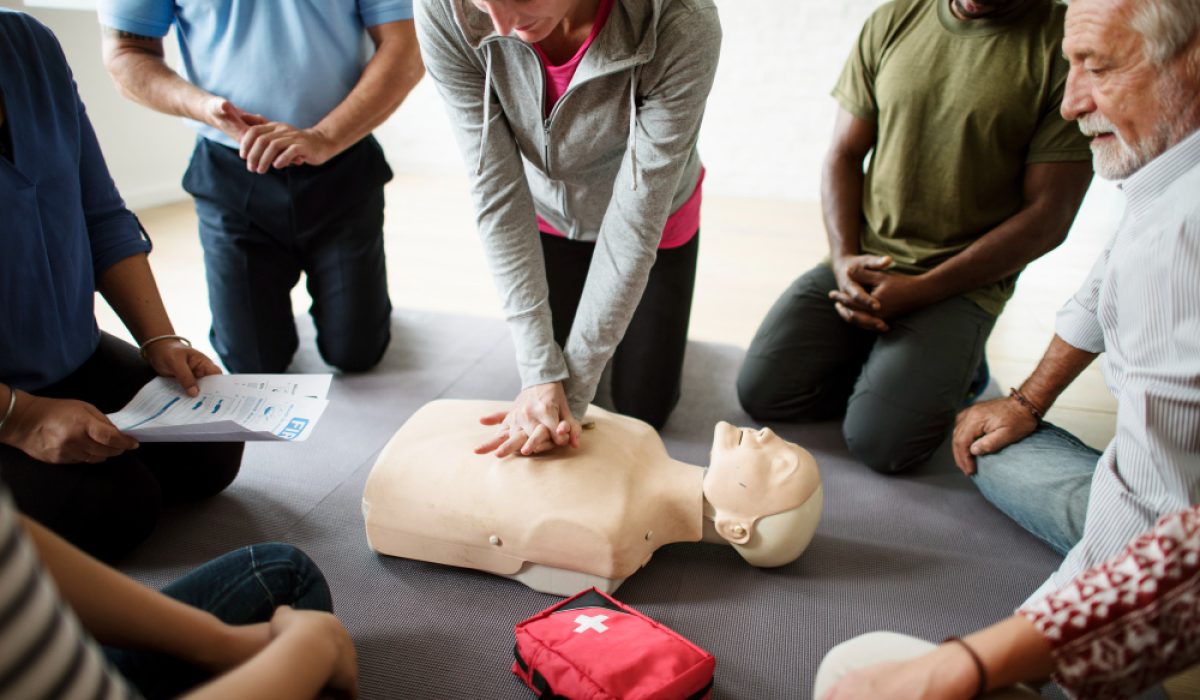
What is CPR?
CPR stands for Cardiopulmonary Resuscitation. It is a simple, lifesaving technique. When someone’s heart or breathing stops, CPR can help keep blood and oxygen moving. This gives the person a better chance of survival until medical help arrives. Anyone can learn CPR, and you do not need to be a doctor or nurse to help in an emergency.
Why is CPR Important?
Every year, sudden cardiac arrest affects hundreds of thousands of people. According to the American Heart Association, about 350,000 cardiac arrests happen outside hospitals in the United States each year. Sadly, only about 10% of these people survive. However, if CPR is started right away, it can double or even triple a person’s chance of survival. For example, quick action from a bystander can make a huge difference. In many cases, family members or friends are the first to help. So, learning CPR can help save the life of someone you care about.
When and Where is CPR Needed?
CPR is needed when a person’s heart stops beating or they stop breathing. This can happen anywhere, such as:
Often, cardiac arrest happens without warning. Therefore, being ready to act quickly is important. If you see someone collapse, check if they are breathing and responsive. If not, call for help and start CPR right away.
How to Learn CPR Easily
Learning CPR is easier than you might think. Many organizations offer training both online and in person. Here are simple steps to get started:
Additionally, you can search for “CPR training near me” or “first aid classes in [Your City]” to find local options. Some workplaces and schools also offer free CPR training sessions.
Common Myths and Facts about CPR
Tips for Staying Prepared
It is important to stay ready for emergencies. Here are some tips:
In summary, learning CPR is simple and can save lives. Anyone can do it, and there are many easy ways to learn. Consider enrolling in a certified CPR course to be prepared for emergencies.