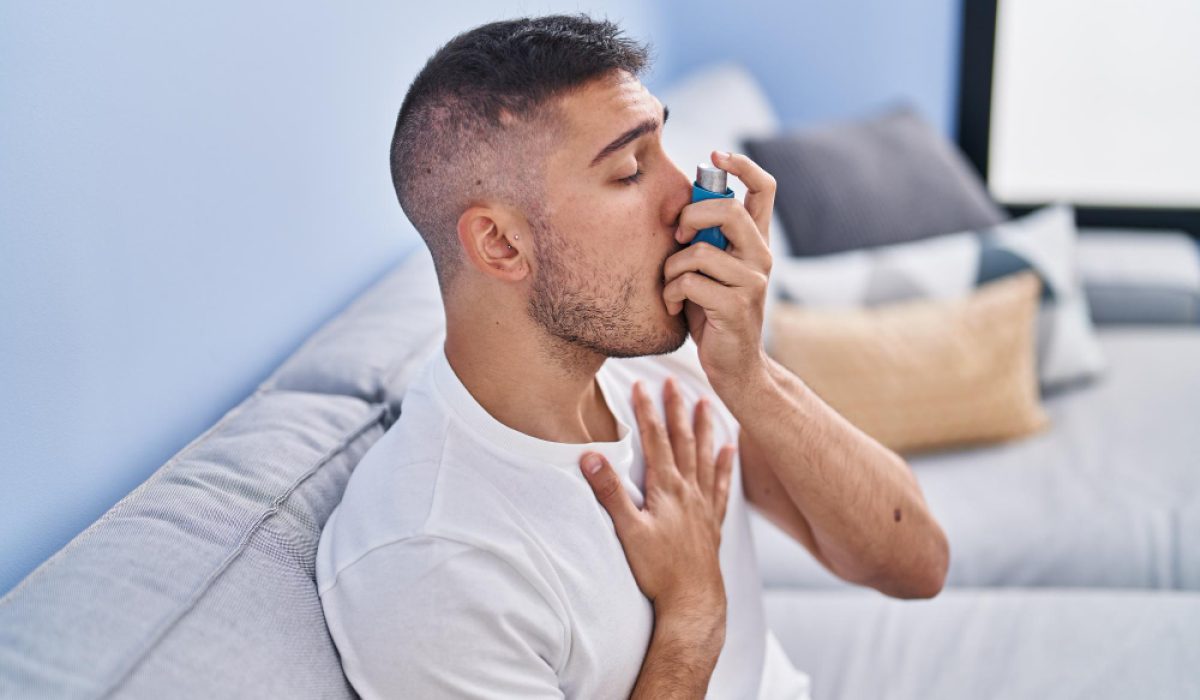
What Are Asthma Flare-ups in Winter?
Asthma flare-ups in winter are sudden increases in asthma symptoms during cold months. These flare-ups can make breathing harder. They often happen because cold air and winter triggers can irritate the airways. As a result, many people notice more asthma attacks in cold weather. According to the CDC, asthma is a common lung condition that affects both children and adults. During winter, it is important to watch for signs of worsening asthma.
Common Symptoms and Warning Signs
Recognizing symptoms early can help prevent severe attacks. In winter, asthma symptoms may become more noticeable. Look for these warning signs:
Sometimes, symptoms can get worse quickly. Therefore, it is important to act fast if you notice any changes.
Causes and Triggers Specific to Winter
Winter brings unique asthma triggers. Cold air can make airways tighten. In addition, dry indoor air from heaters can irritate the lungs. Here are some common winter asthma triggers:
Because these triggers are common in winter, it is wise to take extra care during this season.
Diagnosis and When to Seek Emergency Care
If you think you have asthma, a doctor can confirm it with simple breathing tests. These tests measure how well your lungs work. Sometimes, symptoms can get worse quickly. If you notice any of these signs, seek emergency care right away:
Quick action can save lives. Always keep your rescue inhaler nearby, especially in winter.
Treatment Options and Emergency Management
Treating asthma flare-ups in winter often starts with quick-relief inhalers. These inhalers help open the airways fast. For ongoing control, doctors may suggest daily medicines. If an asthma attack happens, follow your asthma action plan. Here are steps for emergency care:
Because winter can make symptoms worse, review your treatment plan with your doctor before the season starts.
Prevention Tips and Lifestyle Guidance for Winter
Preventing asthma flare-ups in winter is possible with simple steps. Try these tips to stay safe:
Additionally, avoid smoke and strong smells. These can trigger asthma attacks in cold weather. With good habits, you can reduce winter asthma triggers.
When to Consult a Healthcare Professional
Even with good prevention, asthma can still flare up. If you notice more symptoms or need your inhaler more often, talk to your doctor. Also, if you have new symptoms or your medicine is not working, seek advice. Early help can prevent serious problems. For children, always check with a doctor if you are unsure about their breathing.
Consult a healthcare specialist for personalized asthma management, especially during winter months.