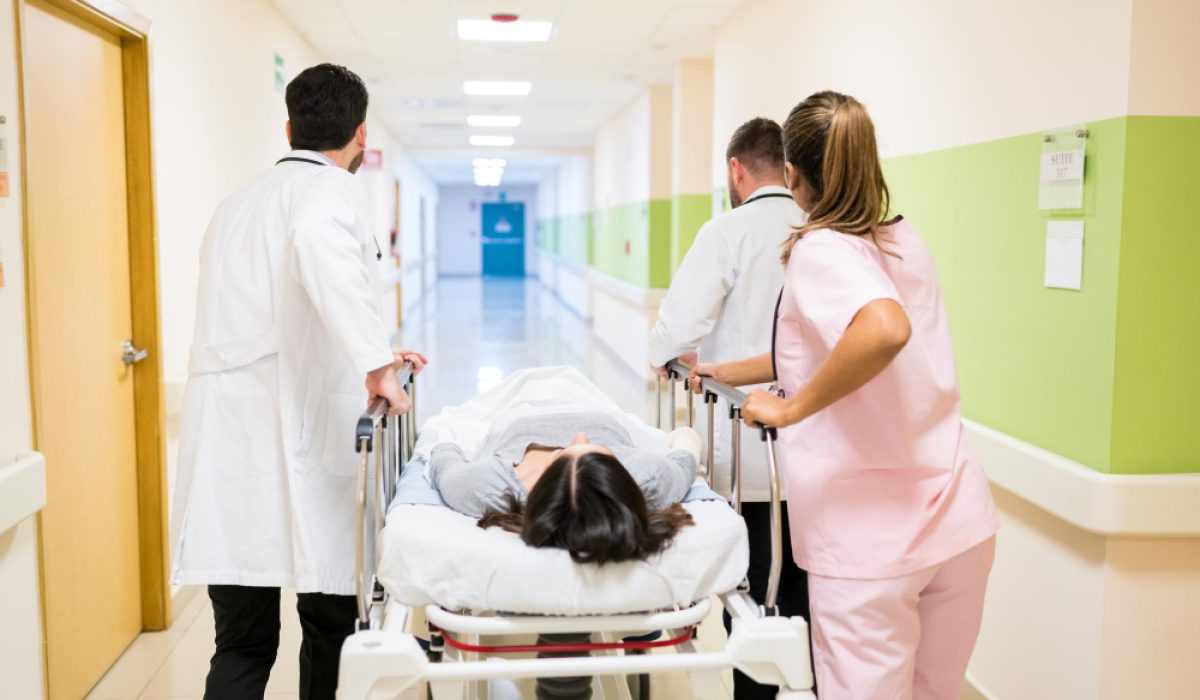
When an emergency happens, every second counts. Being prepared can make your emergency room visit smoother and less stressful. That’s why knowing what to bring to the emergency room is so important. Whether you are going for yourself or helping a loved one, a little planning can help you get the care you need faster. In this guide, you’ll find an emergency room checklist, tips for ER visit preparation, and advice on what not to take to the ER.
Why Preparation Matters Before an Emergency Room Visit
Emergencies are often sudden and stressful. However, being ready can help you stay calm. When you bring the right items, doctors can treat you more quickly. For example, having your medication list or ID handy saves time. In addition, you may avoid delays in care. According to the CDC, clear information helps hospital staff give you the best treatment. So, a little preparation goes a long way.
Essential Items to Bring to the Emergency Room
Personal Identification and Insurance Information
First, always bring a photo ID. This could be a driver’s license or passport. Also, carry your health insurance card. These help the hospital confirm your identity and coverage. If you do not have insurance, bring any other proof of coverage or payment method.
List of Current Medications and Allergies
Next, write down all medicines you take. Include the name, dose, and how often you take each one. Don’t forget vitamins or herbal supplements. Also, list any allergies, especially to medicines or foods. This helps doctors avoid harmful reactions.
Medical History and Important Documents
It’s helpful to bring a short summary of your medical history. For example, note any major illnesses, surgeries, or chronic conditions. If you have a living will or power of attorney, bring copies. These documents guide your care if you cannot speak for yourself.
Comfort Items and Personal Necessities
While you may not stay long, comfort matters. Bring items like:
However, check with staff before eating or drinking, as some tests require fasting.
Items for Children or Elderly Family Members (if applicable)
If you are bringing a child or older adult, pack extra items. For children, include:
For elderly family members, add:
Tips for Organizing Your Emergency Room Bag
It’s smart to keep an ER essentials kit ready at home. For example, use a small bag or folder for your documents. Store updated medication lists and copies of important papers inside. In addition, check your kit every few months. This way, you always have the latest information. If you travel, keep a digital copy of your documents on your phone. That way, you’re prepared wherever you go.
What Not to Bring to the Emergency Room
While it’s important to be ready, some items are best left at home. For instance, avoid bringing:
Hospitals are busy places, and personal items can get lost. So, only bring what you truly need.
Quick Checklist: Emergency Room Essentials
Conclusion & Call-to-Action
Emergencies are never planned, but you can be ready. By preparing an emergency room checklist and packing an ER essentials kit, you help doctors care for you faster. Remember, always keep your information up to date. If you have special health needs, talk to your doctor about what to bring to the emergency room. For more advice, consult your healthcare provider and stay prepared for any situation.