Introduction
Accidents can happen anywhere, at home or outdoors. Handling burns and bleeding before professional help arrives is very important. Quick first aid can stop bleeding fast and reduce the risk of infection. It can also help prevent further injury. In many cases, knowing what to do before help arrives can save lives. This guide will show you simple steps for emergency burn care and bleeding control.
Recognizing Burns and Bleeding
First, it helps to know the type and severity of the injury. Not all burns and bleeding are the same. For burns, there are three main types:
For bleeding, you may see:
However, even small wounds can become serious if not treated properly.
First Aid for Burns
When someone gets burned, acting quickly can help. Follow these steps for first aid for burns:
For chemical burns, rinse the area with lots of water. Always use gloves if you can. For electrical burns, make sure the power is off before helping.
First Aid for Bleeding
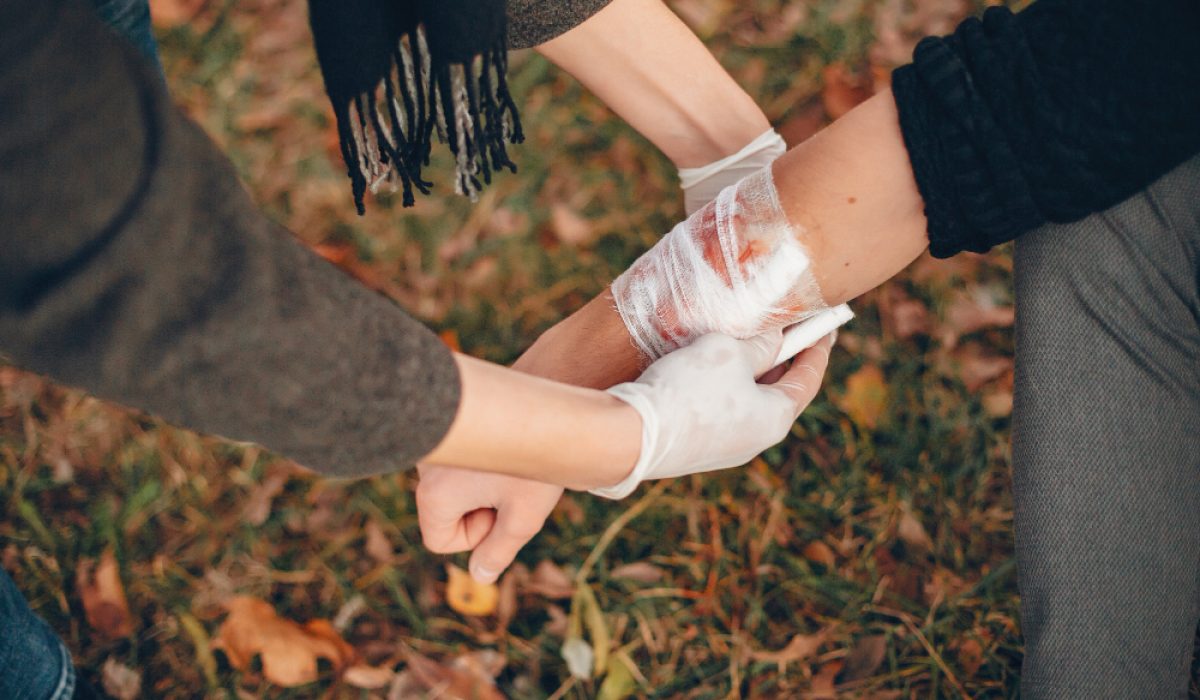
Stopping bleeding quickly is key. Here is what to do before help arrives:
Always wash your hands after giving first aid. This helps prevent infection.
When to Seek Professional Help
Some injuries need urgent care. Call emergency services or go to the hospital if:
Even if the injury seems small, it is better to be safe and get checked by a doctor.
Prevention Tips
While accidents can happen, you can lower the risk with a few simple steps:
By following these tips, you can help prevent burns and bleeding injuries.
Conclusion
In summary, handling burns and bleeding before professional help arrives can make a big difference. Quick first aid for burns and steps to stop bleeding fast can save lives. Always stay calm, act quickly, and know when to seek emergency help. For more advice or if you are unsure, consult a healthcare professional for personalized guidance.